This page compares product categories, but it does not verify one exact marketplace listing. Treat the cards below as prompts for label checking, not as rankings or buying advice.
What this comparison can and cannot do
It can help you ask better questions: what is the active ingredient, what dose is on the label, what warnings are shown, whether MAL or NOT registration is relevant, whether halal proof exists, and whether the seller page is clear enough to trust.
It cannot prove that a product is genuine, current, halal, registered, safe for your medicines, or suitable for pregnancy, breastfeeding, fertility treatment, diabetes, thyroid disease, liver disease, kidney disease, mood conditions, or blood-thinner use. Those checks need the real label and professional advice where relevant.
What vitamin D3 and D2 actually are
Vitamin D is not a single substance. It is a family of fat-soluble compounds, and the two forms that appear most often on supplement labels are vitamin D3 and vitamin D2. Vitamin D3 is known scientifically as cholecalciferol. It is usually derived from animal sources such as sheep wool lanolin, or from lichen for versions marketed as vegan. Vitamin D2 is known as ergocalciferol and is typically produced from yeast or fungi exposed to ultraviolet light.
Both forms have to go through a conversion process in the body before they become active. The liver converts them into an intermediate form, and the kidneys convert that further into the form the body can use. Because this pathway shares the same steps, both forms are considered to contribute to vitamin D status, yet the way the body handles each one is not entirely identical. This is the root of the discussion about practical differences between D3 and D2.
How D3 and D2 differ in absorption and evidence
The main difference often discussed in studies is how effectively each form raises and maintains the level of vitamin D in the blood. Some studies suggest vitamin D3 tends to raise levels more consistently than an equivalent dose of vitamin D2, and that the effect appears to last longer between doses. This is a broad observation drawn from the literature, not a guarantee for any one person, and individual needs vary with health conditions.
In the PCOS context, some researchers have looked at the relationship between low vitamin D status and certain metabolic features. Reviews such as the Wehr and colleagues paper from 2011 discuss observed associations between vitamin D status and certain markers in women with PCOS. More recent endocrine guidance tends to be cautious: it does not confirm vitamin D supplementation as a proven treatment for PCOS, and stresses that the evidence remains mixed. In other words, an observed association is not the same as proof that taking a supplement will change PCOS outcomes. Decisions about blood tests and whether a supplement is needed are a conversation for a doctor or pharmacist, not something this page can settle.
Who each form is typically discussed for
Vitamin D2 sometimes appears in high-dose prescriptions in some countries because of its history of use, while vitamin D3 is more common in everyday products on shop shelves. People looking for a non-animal option sometimes ask about lichen-based D3 or about D2, but the actual source needs to be confirmed on the label because marketing claims are not always accurate. Anyone already taking prescription medicine, who has a kidney or liver condition, or who is pregnant or breastfeeding should discuss the form and the need with a health professional before deciding.
Side effects and interactions worth asking about
Vitamin D is a fat-soluble vitamin, so it can build up in the body if taken in excess over a long period. Excessive build-up is associated with calcium levels that are too high, which can cause nausea, confusion, or kidney problems in severe cases. This is not meant to alarm, but to explain why monitoring and professional advice matter, especially if someone is unknowingly taking several products that all contain vitamin D. Vitamin D can also interact with certain medicines such as some heart medicines and steroids. That is why a current medicine list should be shared with a doctor or pharmacist before adding a supplement.
The Malaysia angle: checking registration and halal status
In Malaysia, health supplement products should be registered with the medicines regulator. You can check registration status by matching the number on the label against the official NPRA database, rather than simply trusting claims on a seller page. If a registration number is missing or does not match the product details, that is a question to raise before buying.
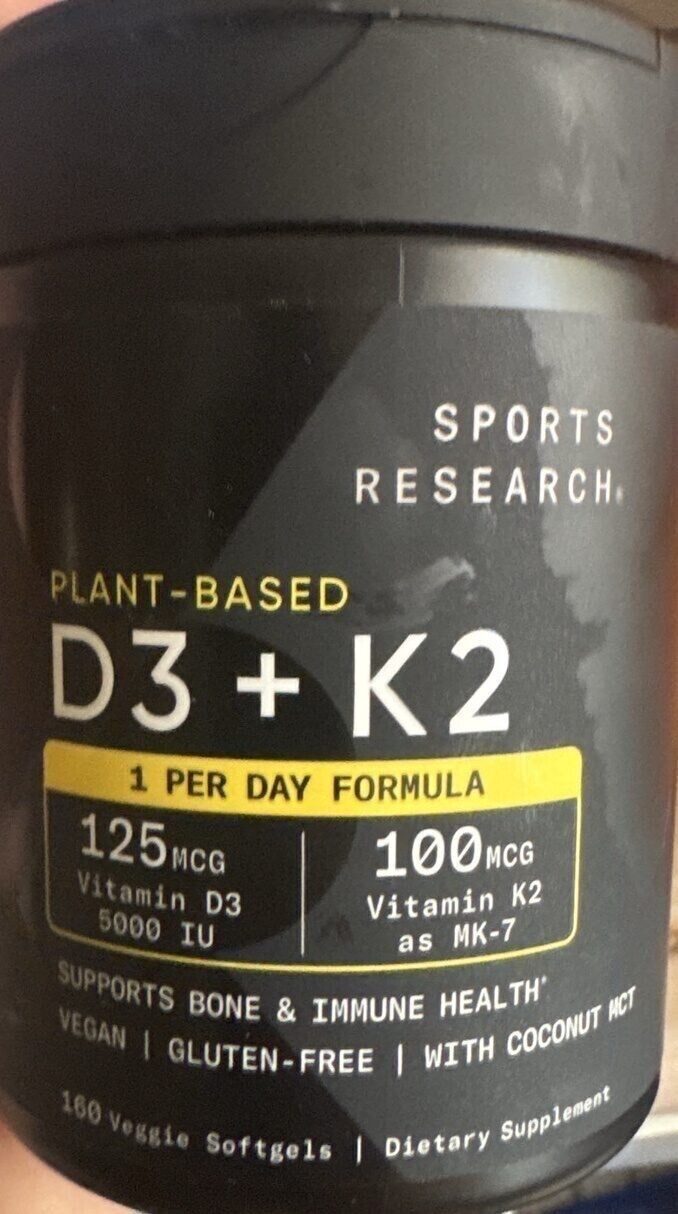
For halal status, remember that vitamin D3 is often derived from animal sources and capsules may contain gelatin. The safer approach is to check the real label and ask the seller for proof about the ingredient source and a valid certificate. Note the date you checked, because labels and formulations can change over time.
Option to check
Products to check
How to compare safely
Start with your goal. A product for cravings, acne, hair, sleep, ovulation, or glucose risk should not be judged by popularity alone. Write the decision you need: whether to ask for a blood test, whether a supplement could interact with medicine, whether to wait until pregnancy status is clear, or whether the label is too vague.
Then compare proof. Save the exact product URL, label image, dose per serving, serving size, inactive ingredients, capsule material, seller name, expiry or batch details if shown, and any MAL or NOT number. If one page mixes several variants, compare the exact variant you would receive.
What not to assume
Check the real label, dose, seller, halal certificate, and registration before buying, and choose a product whose details are clear.
Do not combine products just because both appear in PCOS content. Combining glucose-active supplements with diabetes medicine, fertility treatment, thyroid medicine, hormonal treatment, blood thinners, psychiatric medicine, or pregnancy can change the risk conversation.
A practical next step
Choose one option to discuss, not a bundle. Bring the label to a pharmacist or doctor and ask: is this category relevant to my goal, does it overlap with my medicines, what side effects should I watch for, and when should I stop or review? For the wider process, read how to check PCOS supplements and what PCOS and PMOS mean.