This page compares product categories, but it does not verify one exact marketplace listing. Treat the cards below as prompts for label checking, not as rankings or buying advice.
Quick comparison: inositol vs berberine
Scroll the table right to see all columns.
| Attribute | Inositol (Myo + D-Chiro 40:1)Usually safe | BerberineNeeds extra care |
|---|---|---|
| For | Insulin resistance, ovulation, and fertility | More marked insulin resistance, weight, and metabolic syndrome |
| Studied dose | Typically 4g a day (2g morning + 2g night, after food). The 40:1 ratio is the most studied. Give it 90 days before judging. | Typically 1500mg a day (for example 500mg three times, before meals). Start slow as it can upset the stomach. |
| Interactions and cautions | Safe for most people. If you are pregnant or planning pregnancy, confirm with your OB-GYN first. | Important: do not combine with metformin or diabetes medicine without a doctor, because blood sugar can drop too low. Avoid during pregnancy or breastfeeding. |
| Halal | Usually a powder or capsule. Check the capsule source (gelatin or vegetable) and the halal logo on the label. | Check the capsule source and halal logo. Most berberine is a plant extract. |
| Evidence | Moderate evidence. Several trials suggest inositol supports ovulation and insulin sensitivity, but the 2018 Cochrane review rated the certainty of evidence as low. Promising rather than proven. | Studies (Wei 2012) show effects comparable to metformin for insulin sensitivity in some women. |
The doses above are studied doses, not a specific product label. Confirm with a doctor or pharmacist.
What this comparison can and cannot do
It can help you ask better questions: what is the active ingredient, what dose is on the label, what warnings are shown, whether MAL or NOT registration is relevant, whether halal proof exists, and whether the seller page is clear enough to trust.
It cannot prove that a product is genuine, current, halal, registered, safe for your medicines, or suitable for pregnancy, breastfeeding, fertility treatment, diabetes, thyroid disease, liver disease, kidney disease, mood conditions, or blood-thinner use. Those checks need the real label and professional advice where relevant.
What inositol and berberine actually are
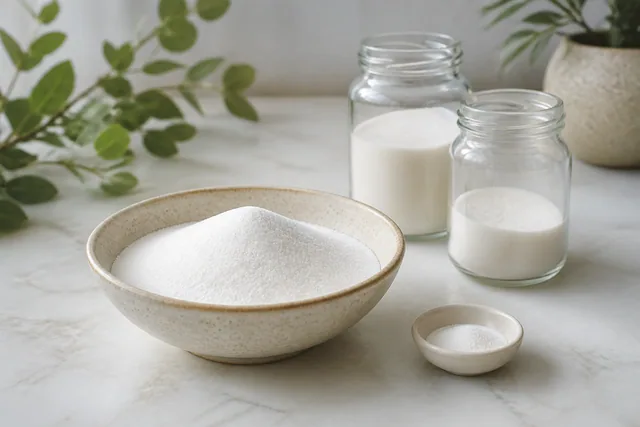
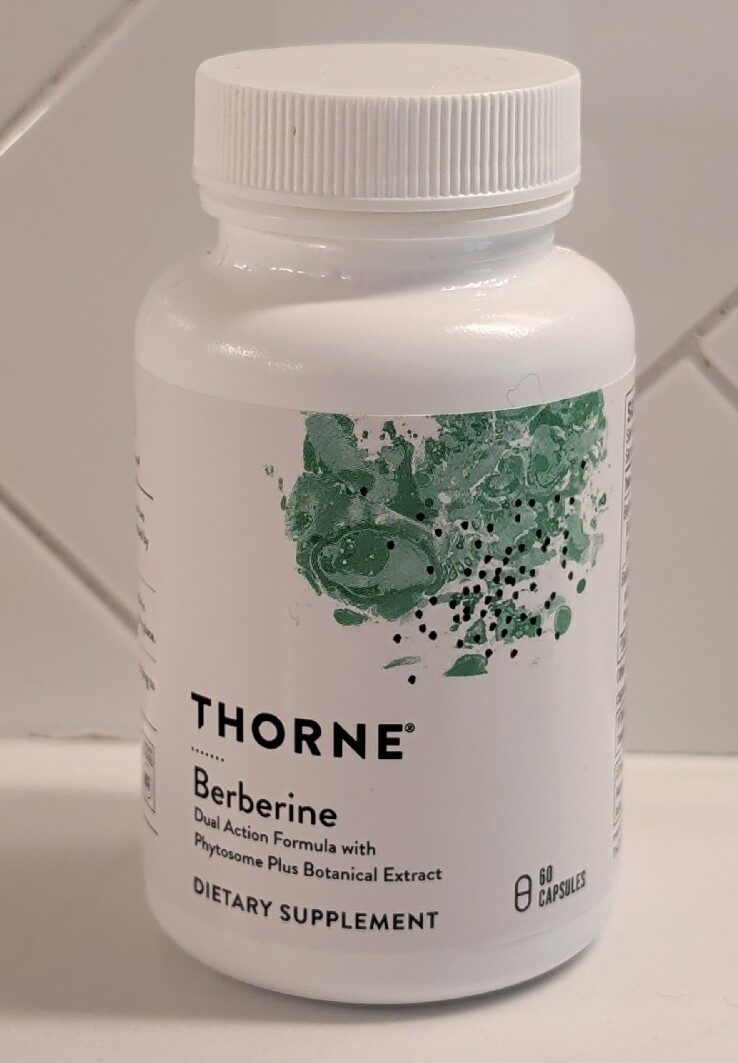
Inositol is a naturally occurring compound related to the B-vitamin family, and it comes in several forms. The forms most often discussed in a PCOS context are myo-inositol and d-chiro-inositol, and some products combine the two in a particular ratio. Berberine is a compound extracted from several types of plants and is sold as capsules or tablets. Although both are sold as supplements without a prescription, that does not make them free of effects or free of risk, because both can act on the body and can interact with medicines.
How the two differ in form, mechanism and evidence
In terms of how they act, both have been linked to influencing how the body handles insulin, but through different pathways. Inositol has been studied in research looking at metabolic markers and menstrual cycles in some participants with PCOS, and systematic reviews such as Cochrane have weighed this evidence carefully. Berberine has been examined in a smaller set of studies, some comparing it with medicine. In both cases the size and quality of the studies remain limited, and the findings are not consistent across all studies.
Studies broadly suggest that these ingredients may have some effect in some people, but this should not be read as a guarantee of results for any individual. PCOS treatment guidance places lifestyle change and medical assessment as the foundation, with supplements as a topic to discuss with a professional rather than a replacement for treatment. The difference in form also matters for inositol, because different products use different ratios and forms, so reading the label carefully helps you understand what is actually in the product.
Who this discussion usually comes up for
This category often surfaces when someone with PCOS reads about insulin resistance, irregular cycles, or fertility and wants to know the supplement options. Anyone who is pregnant, breastfeeding, trying to conceive, undergoing fertility treatment, or taking other medicines needs an individual assessment, because those factors can change the whole picture and make general advice unsuitable for their situation.
Side effects and interactions worth knowing
Inositol is generally regarded as having a gentle profile for most people, though some report mild digestive discomfort. Berberine can cause digestive discomfort in some people and, more importantly, can interact with medicines including those affecting blood sugar and blood thinners. This is why combining berberine with a medicine without first discussing it with a doctor or pharmacist can create risk. Any unusual effect should be brought to a health professional.
Compare options
Products to check
How to compare safely
Start with your goal. A product for cravings, acne, hair, sleep, ovulation, or glucose risk should not be judged by popularity alone. Write the decision you need: whether to ask for a blood test, whether a supplement could interact with medicine, whether to wait until pregnancy status is clear, or whether the label is too vague.
Then compare proof. Save the exact product URL, label image, dose per serving, serving size, inactive ingredients, capsule material, seller name, expiry or batch details if shown, and any MAL or NOT number. If one page mixes several variants, compare the exact variant you would receive. For inositol, note whether the product is myo-inositol alone or a combination with d-chiro-inositol, because this changes what is actually in the product.
The Malaysia angle: registration and halal
In Malaysia, health products are regulated by the pharmacy authority, NPRA. A supplement on sale should carry a registration or notification number that can be verified. You can check a product’s registration status by taking the MAL or NOT number on the label and looking it up against the official NPRA database, rather than simply trusting a seller’s claim. If the number is missing or does not match when checked, that is a reason to be cautious and ask more questions.
For halal status, check the halal certificate, capsule source, and label. Many capsules use gelatin that may come from animal sources. Confirm halal status by checking the label, the capsule material source, and any certificate shown, and ask the seller directly where needed, rather than simply assuming.
What not to assume
Check the real label, dose, seller, halal certificate, and registration before buying, and choose a product whose details are clear.
Do not combine products just because both appear in PCOS content. Combining glucose-active supplements with diabetes medicine, fertility treatment, thyroid medicine, hormonal treatment, blood thinners, psychiatric medicine, or pregnancy can change the risk conversation.
How to read the label carefully
When comparing two products, read the label like an ingredient list, not like an advertisement. Look at the full name of the active ingredient, not just the brand name. For inositol, note whether the product is myo-inositol alone, d-chiro-inositol alone, or a combination of the two, because these are genuinely different products even though the common name looks similar. For berberine, note the form of the compound and any added ingredients listed. Also note the inactive ingredients and the capsule material, because these relate to halal and allergy questions. If a label is too vague or only emphasises health claims without clear ingredient information, that itself is useful information to bring to a pharmacist.
A practical next step
Choose one option to discuss, not a bundle. Bring the label to a pharmacist or doctor and ask: is this category relevant to my goal, does it overlap with my medicines, what side effects should I watch for, and when should I stop or review?
In short, inositol and berberine are two different supplements sometimes discussed for insulin resistance in PCOS, but they differ in form, pathway of action, and level of evidence. This page does not place one above the other, because the suitable choice depends on the individual’s situation, current medicines, and goals discussed with a professional. If you are taking any medicine, pregnant, breastfeeding, or trying to conceive, this is even more a conversation for a doctor or pharmacist.
For the wider process, read how to check PCOS supplements and what PCOS and PMOS mean.