This page compares product categories, but it does not verify one exact marketplace listing. Treat the cards below as prompts for label checking, not as rankings or buying advice.
Why this page does not rank anything
This page deliberately does not order any starter combination by rank and does not name any option as the best. The reason is simple: every person with PCOS has different needs, depending on symptoms, test results, current medicines, and other health conditions. A ranking would give the false impression that one combination suits everyone, when this decision should be made individually with a doctor or pharmacist.
Instead, this page explains how to think about evaluating any starter combination cautiously. Rather than asking which combination is best, a more useful question is which objective you want to address, and whether a single ingredient is enough to discuss before thinking about a combination at all.
What this comparison can and cannot do
It can help you ask better questions: what is the active ingredient, what dose is on the label, what warnings are shown, whether MAL or NOT registration is relevant, whether halal proof exists, and whether the seller page is clear enough to trust.
It cannot prove that a product is genuine, current, halal, registered, safe for your medicines, or suitable for pregnancy, breastfeeding, fertility treatment, diabetes, thyroid disease, liver disease, kidney disease, mood conditions, or blood-thinner use. Those checks need the real label and professional advice where relevant.
Evaluating a combination one objective at a time
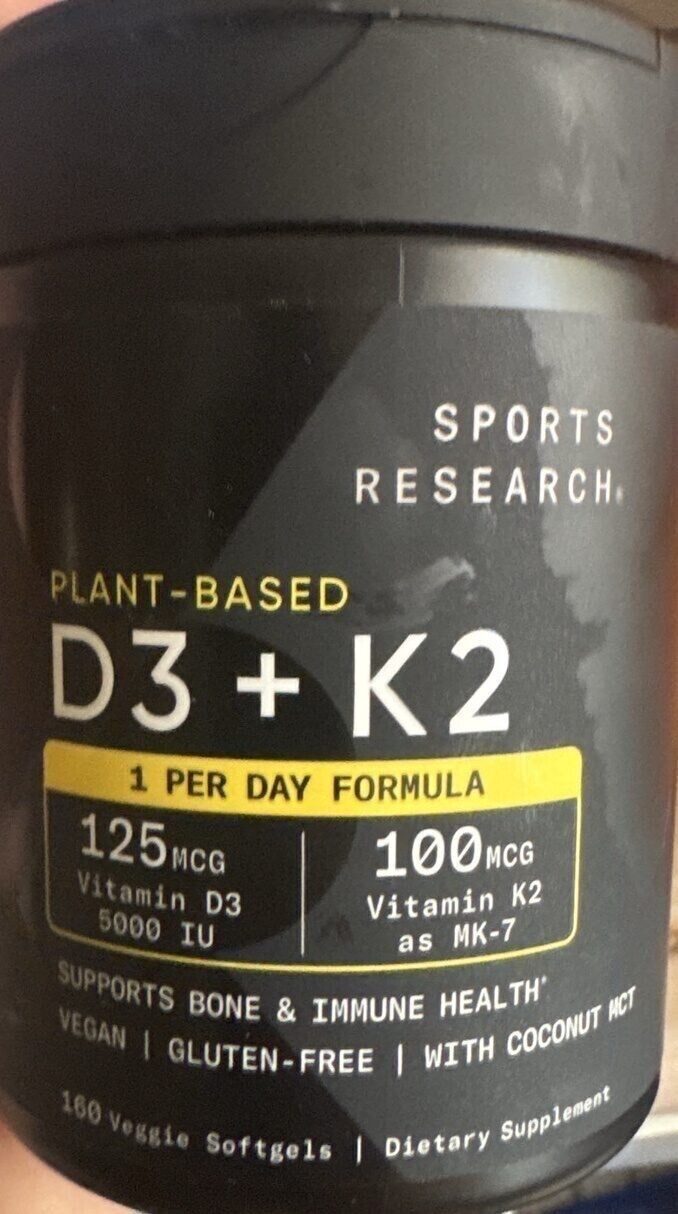
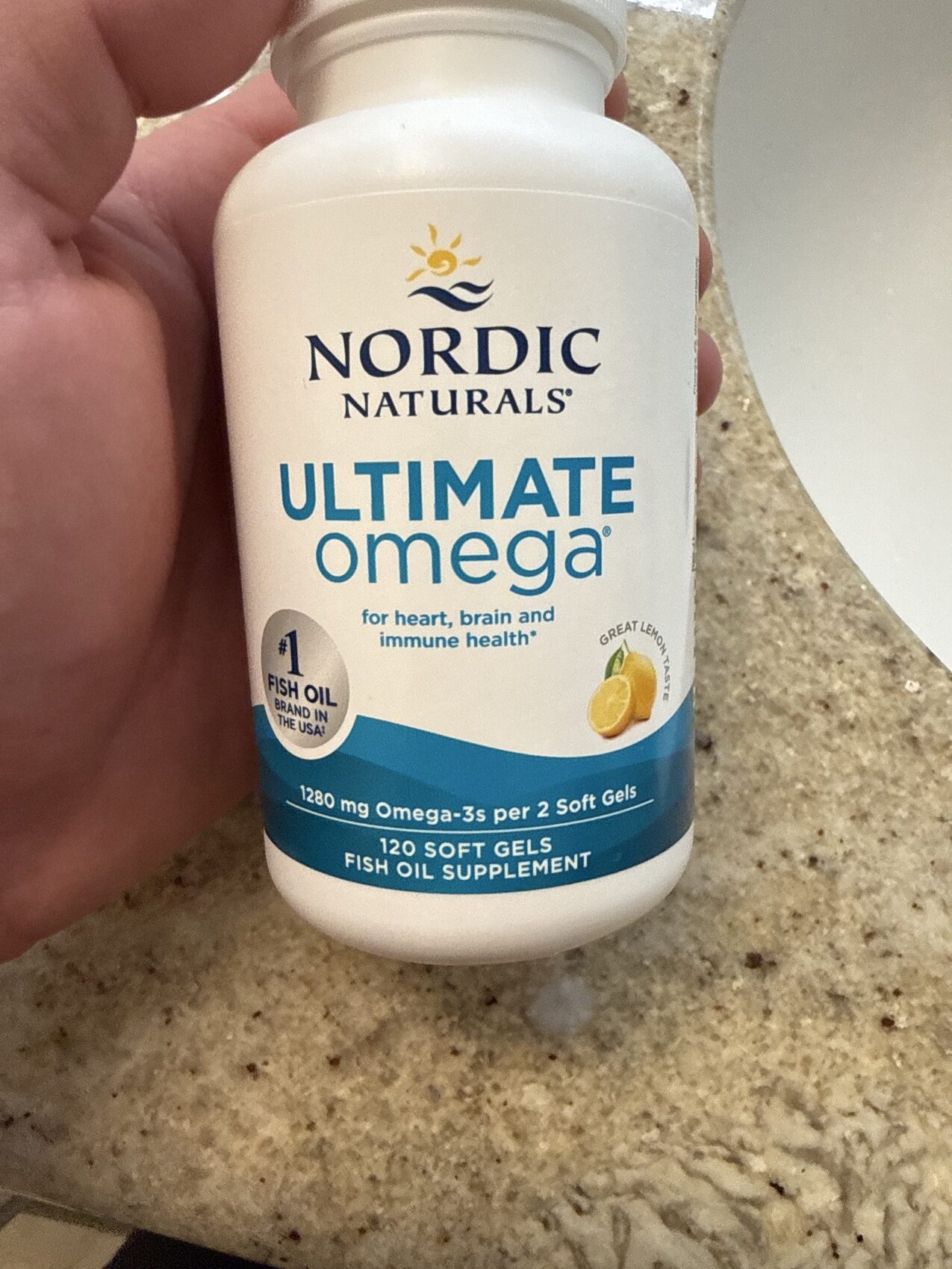
Ingredients that often appear in PCOS starter discussions include inositol, vitamin D, and omega-3. Each has different evidence and is aimed at a different objective, so combining them all at once makes it hard to know which ingredient is helping or causing side effects. A more cautious way to think is to choose one objective first, and evaluate one ingredient for that objective.
When several ingredients are started at the same time, you lose the ability to tell apart the effect of each one. If a side effect appears, you do not know the cause. This is why discussing one change at a time with a doctor or pharmacist is clearer than buying a ready-made combination. This approach also makes it easier to set a single review date to reassess whether the ingredient is still relevant.
Compare options
Products to check
How to compare safely
Start with your goal. A product for cravings, acne, hair, sleep, ovulation, or glucose risk should not be judged by popularity alone. Write the decision you need: whether to ask for a blood test, whether a supplement could interact with medicine, whether to wait until pregnancy status is clear, or whether the label is too vague.
Then compare proof. Save the exact product URL, label image, dose per serving, serving size, inactive ingredients, capsule material, seller name, expiry or batch details if shown, and any MAL or NOT number. If one page mixes several variants, compare the exact variant you would receive.
The risk of combining several ingredients at once
Starter combinations are sometimes discussed by people who are newly diagnosed and want to begin something quickly. That intention is understandable, but buying several ingredients at the same time carries real risk. More ingredients mean more possible interactions with medicine, more added substances that might cause an allergy, and more difficulty identifying the cause if a problem appears.
Some ingredients can affect blood sugar or interact with diabetes medicine, fertility treatment, thyroid medicine, hormonal treatment, blood thinners, or psychiatric medicine. For people who are pregnant, breastfeeding, or have a chronic condition, such combinations need to be discussed more carefully. This is why a conversation with a doctor or pharmacist before adding any combination is safer than relying on a ready-made list online.
The Malaysia angle: registration and halal
In Malaysia, regulated health products carry an NPRA registration number in a format such as MAL followed by digits, while some lighter products carry a NOT notification category. You can check registration status through the official NPRA portal by entering the product name or the number on the label. When evaluating a combination, each ingredient needs to be checked separately, because one product may be registered while another is not.
Halal status should also be verified one item at a time, not assumed for the whole combination. The capsule of any ingredient sometimes uses gelatin from animal sources, so confirm the capsule material with the seller or on the real label, and ask for certificate proof if available. Record the date you made the check, because product information can change. This item-by-item approach is safer than assuming the whole combination must be suitable.
What not to assume
Check the real label, dose, seller, halal certificate, and registration before buying, and choose a product whose details are clear.
Do not combine products just because both appear in PCOS content. Combining glucose-active supplements with diabetes medicine, fertility treatment, thyroid medicine, hormonal treatment, blood thinners, psychiatric medicine, or pregnancy can change the risk conversation.
Questions to bring to a doctor or pharmacist
Rather than asking which combination to buy, a more useful question is: which objective matters most to me right now, and is a single ingredient enough for that objective. Bring the real label of each product so a doctor or pharmacist can see the active ingredient, dose, and added substances, then evaluate each one separately.
You can also ask whether any ingredient could interact with your medicines, what side effects to watch for, and when to review again. The one-objective-at-a-time approach, with a single review date, is clearer and safer than starting several ingredients at once. Decisions about managing PCOS overall should still be referred to a health professional, not to a list found online.
A practical next step
Choose one option to discuss, not a bundle. Bring the label to a pharmacist or doctor and ask: is this category relevant to my goal, does it overlap with my medicines, what side effects should I watch for, and when should I stop or review? For the wider process, read how to check PCOS supplements and what PCOS and PMOS mean.