This page compares product categories, but it does not verify one exact marketplace listing. Treat the cards below as prompts for label checking, not as rankings or buying advice.
What this comparison can and cannot do
It can help you ask better questions: what is the active ingredient, what dose is on the label, what warnings are shown, whether MAL or NOT registration is relevant, whether halal proof exists, and whether the seller page is clear enough to trust.
It cannot prove that a product is genuine, current, halal, registered, safe for your medicines, or suitable for pregnancy, breastfeeding, fertility treatment, diabetes, thyroid disease, liver disease, kidney disease, mood conditions, or blood-thinner use. Those checks need the real label and professional advice where relevant.
What each option actually is
Omega-3 is a type of fatty acid the body does not make in sufficient amounts, so it comes from food or supplements. Two forms often referred to are EPA and DHA. The fish oil option is derived from oily fish, while the algae option is derived from cultivated microalgae, the original source that makes fish rich in omega-3 in the first place.
Key differences include the source, the ingredient profile, and how well each fits dietary choices. Algae oil appeals to people following a vegan or vegetarian diet because it is not animal-derived. The EPA and DHA profile can differ between the two forms, and some algae products are higher in DHA. A fishy smell or taste is also more associated with fish oil than algae. Because the actual EPA and DHA amounts differ between labels, an accurate comparison needs label checking, not assumptions.
What studies broadly suggest
In the PCOS context, some studies have explored omega-3 in relation to inflammation markers and blood fats. Broadly, this literature touches on possible effects on certain markers, but results vary by study design and cannot be treated as final. For the comparison between fish and algae oil, the main questions are usually about source, EPA compared with DHA content, and dietary suitability, rather than claims that one is more effective than the other.
Omega-3 is not a substitute for medical assessment and its effect on an individual can vary. Any decision to try it is best discussed with a doctor or pharmacist, especially if you have an existing health condition or take other medicines.
Option to check
Products to check
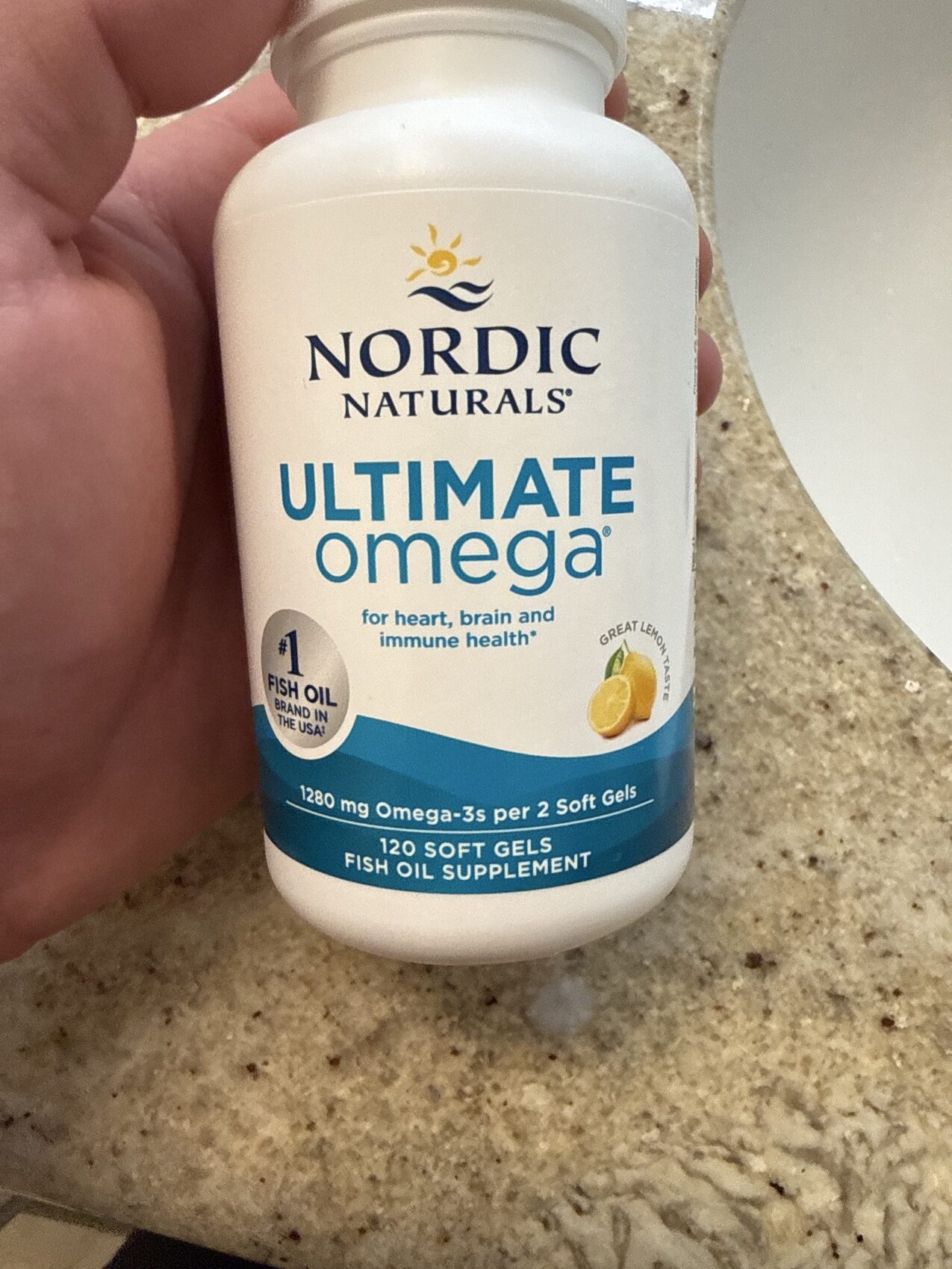
Who each is typically discussed for, and what to watch
Omega-3 is often discussed by women with PCOS who are thinking about heart health or inflammation, while the algae form is especially relevant for those who avoid animal products for dietary, religious, or allergy reasons related to fish and shellfish. Even so, both forms still need label checking and individual consideration.
Reported side effects are usually mild, such as fishy burps, stomach upset, or loose stools at higher amounts. Interactions matter too, because omega-3 in high amounts is linked to concerns about bleeding, so anyone using blood thinners or undergoing surgery should talk it through first. If you are pregnant, breastfeeding, or trying to conceive, the conversation with a clinician becomes more important, because needs and safety during these periods should be assessed individually.
How to compare safely
Start with your goal. A product for cravings, acne, hair, sleep, ovulation, or glucose risk should not be judged by popularity alone. Write the decision you need: whether to ask for a blood test, whether a supplement could interact with medicine, whether to wait until pregnancy status is clear, or whether the label is too vague.
Then compare proof. Save the exact product URL, label image, dose per serving, serving size, inactive ingredients, capsule material, seller name, expiry or batch details if shown, and any MAL or NOT number. If one page mixes several variants, compare the exact variant you would receive.
What not to assume
Check the real label, dose, seller, halal certificate, and registration before buying, and choose a product whose details are clear.
Do not combine products just because both appear in PCOS content. Combining glucose-active supplements with diabetes medicine, fertility treatment, thyroid medicine, hormonal treatment, blood thinners, psychiatric medicine, or pregnancy can change the risk conversation.
What the label should show clearly
When comparing fish oil with algae oil, a good label should state the actual amount of EPA and DHA per serving, not just the total oil amount. Two products with the same capsule size can have very different EPA and DHA content, so reading this breakdown is more meaningful than looking at the large number on the front of the packaging. For algae oil, check whether it provides DHA only or a combination of EPA and DHA.
Beyond the active ingredient, look at the capsule form, capsule material, and any added ingredients such as flavouring. The expiry date and batch number matter because oils can turn rancid over time, so storage and freshness are also considerations. The name of the manufacturer or seller helps you judge whether the product is traceable. Vague information is a reason to be cautious, not to fill the gap with your own assumptions.
The Malaysia angle: registration and halal
In Malaysia, supplements are regulated, and many sold here are expected to carry a registration or notification number. You can check a product’s status through the official NPRA database by matching the product name and the number on the label against the records shown. If a MAL or NOT number is missing, does not match, or cannot be verified, that is a reason to pause and ask before buying.
Halal status should not be assumed. Fish oil comes from animals and softgel capsules often use gelatin, so the source needs verifying. Algae oil comes from plants, but its capsule can also use material whose source is unclear. The safer approach is to confirm with the seller or through the real label whether a valid halal certificate is shown. If the certificate cannot be verified, treat it as unverified until there is checkable proof.
A practical next step
Choose one option to discuss, not a bundle. Bring the label to a pharmacist or doctor and ask: is this category relevant to my goal, does it overlap with my medicines, what side effects should I watch for, and when should I stop or review? For the wider process, read how to check PCOS supplements and what PCOS and PMOS mean.